

Commercial ADA bathroom requirements are one of the most important accessibility issues property owners face during remodels, tenant improvements, and code corrections in California. Restrooms are frequently reviewed during inspections because they involve precise measurements, fixture placement, door clearances, grab bars, turning space, reach ranges, and path of travel access.
A bathroom can look finished and still fail ADA or Title 24 review if the layout was not planned correctly before construction began.
For California businesses, commercial restroom compliance is not just a design issue. It affects city permits, construction sequencing, inspection results, rework costs, and ADA lawsuit exposure.
The most common ADA bathroom compliance issues include:
• Improper restroom layout and turning clearance
• Incorrect toilet and grab bar placement
• Door swing and maneuvering clearance problems
• Sink, mirror, and dispenser reach range errors
• Missing backing for grab bars before walls are closed
• Permit corrections caused by incomplete accessibility planning
• Finished construction that fails field verification
Commercial restrooms are one of the highest-risk areas for ADA compliance because every element must work together. The door, toilet, sink, grab bars, mirror, dispensers, floor space, and accessible route all affect whether the restroom can be used safely and independently.
Many businesses assume a restroom is compliant because it has a wheelchair sign or a grab bar installed. In reality, ADA bathroom requirements are based on precise clearances, fixture locations, reach ranges, and maneuvering space.
For restaurants, retail stores, offices, medical buildings, shopping centers, hotels, and older commercial properties, restroom mistakes can lead to failed inspections, permit delays, tenant improvement setbacks, and ADA lawsuit claims.

California commercial bathroom projects must consider both federal ADA standards and California Title 24 accessibility requirements. In many cases, California requirements are more detailed or more restrictive than the general understanding of ADA compliance.
This is where many projects run into trouble. A contractor may build based on a general ADA checklist, but the project still receives corrections because California accessibility standards require specific measurements, mounting heights, fixture locations, and clear floor spaces.
For commercial remodels, the safest approach is to plan the restroom around California accessibility requirements from the start rather than trying to adjust after framing, plumbing, tile, partitions, or fixtures are already installed.

Restroom entry doors are a common source of ADA construction problems. Door width, swing direction, maneuvering clearance, threshold conditions, hardware, and approach space all affect compliance.
A restroom may have enough space inside, but still fail if the door swing blocks required clear floor area or does not provide proper maneuvering clearance. Tight corridors, inward-swinging doors, raised thresholds, and poorly placed fixtures near the entrance can create access barriers before a person even enters the room.
These issues are especially common in older commercial buildings where restrooms were not originally designed for accessibility. During a remodel, door location and entry clearance should be evaluated before construction drawings are finalized.

Toilet and grab bar placement must be accurate. Small changes in toilet location, side wall distance, rear wall clearance, grab bar height, partition location, or dispenser placement can affect whether the restroom meets accessibility requirements.
One of the most expensive mistakes occurs when walls are finished without proper backing for grab bars. If blocking is missed during construction, finished tile or wall surfaces may need to be opened again to install compliant support.
Commercial ADA bathroom construction should account for toilet centerline, stall dimensions, side clearance, rear grab bars, side grab bars, flush controls, toilet paper dispenser location, and transfer space before framing and plumbing rough-in are complete.

ADA bathroom requirements also apply to lavatories, mirrors, soap dispensers, paper towel dispensers, hand dryers, trash openings, coat hooks, shelves, and other restroom accessories. These elements must be installed within accessible reach ranges and must not interfere with required clear floor space.
A common construction mistake is installing accessories after the restroom appears complete without checking reach height or side approach clearance. Even small accessories can create compliance problems if they are too high, too far from the accessible position, or mounted where they block maneuvering space.
For commercial bathrooms, fixture and accessory placement should be coordinated during design, not left as a final installation detail.

Commercial restroom remodels often require city permits, plan review, inspections, and field verification. When accessibility is not planned correctly, permit corrections can delay the project before construction even begins. If errors are discovered in the field, the project may require rework after materials and labor have already been paid for.
Common permit and inspection problems include incomplete accessibility details, missing dimensions on plans, incorrect fixture layouts, conflicts between plumbing locations and required clearances, and restroom designs that do not match real field conditions.
ADA bathroom compliance should be coordinated with the full project scope, including path of travel, entrance access, parking, ramps, door clearances, and any triggered accessibility upgrades related to the remodel.

ACR Design & Build helps California businesses plan and complete ADA restroom upgrades with a construction-focused approach. Instead of treating accessibility as an afterthought, ACR evaluates the site, reviews existing conditions, coordinates design and permitting, and performs the construction work needed to correct accessibility barriers.
Best practices for commercial ADA bathroom projects include:
- Reviewing existing restroom conditions before design
- Confirming Title 24 and ADA clearance requirements early
- Coordinating plumbing, framing, partitions, and fixture locations
- Installing grab bar backing before walls are closed
- Verifying dimensions during construction
- Planning path of travel requirements with the restroom remodel
- Using an ADA-focused contractor for construction and corrections
Whether the project involves a tenant improvement, failed inspection correction, lawsuit response, or proactive accessibility upgrade, ACR Design & Build provides ADA consulting, CASp coordination, permitting support, and construction services under one accountable team.

Do commercial bathrooms need to be ADA compliant in California?
Yes. Commercial properties that serve the public or employees may need accessible restroom features depending on the property type, use, remodel scope, and applicable accessibility requirements.
What causes ADA bathroom remodels to fail inspection?
Common causes include incorrect clearances, improper toilet placement, missing grab bar backing, wrong accessory heights, door swing conflicts, and layouts that do not match approved plans.
Does adding grab bars make a restroom ADA compliant?
No. Grab bars are only one part of compliance. The entire restroom layout must be evaluated, including clear floor space, fixture placement, door access, sink clearance, reach ranges, and path of travel.
Can an existing restroom be made ADA compliant?
In many cases, yes. Older commercial restrooms can often be improved through careful planning, layout adjustments, fixture relocation, door modifications, and construction corrections.
Should ADA bathroom compliance be reviewed before applying for permits?
Yes. Reviewing accessibility requirements before permit submittal can reduce plan check corrections, construction delays, and expensive field rework.


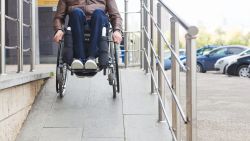
Failed ADA inspections are common in California due to design errors, poor construction tolerances, and misunderstanding of Title 24. Learn the most common mistakes and how to avoid costly rework....

Learn ADA path of travel requirements in California, including entrances, parking, restrooms, and route accessibility rules required during renovations and tenant improvements....
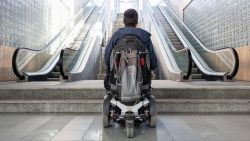
Older buildings can become accessible without tearing everything down. Practical ADA upgrades—planned and verified—improve safety, expand your customer base, and reduce legal risk......