

ADA path of travel requirements are triggered whenever alterations or renovations occur in commercial properties. In California, Title 24 accessibility laws require that the route from parking and public sidewalks to entrances, restrooms, and service areas be fully compliant.
Failure to address path of travel accessibility during construction or tenant improvements can result in permit delays, failed inspections, and ADA lawsuits.
What Is Included in a Compliant Path of Travel?
• Accessible parking spaces
• Curb ramps and exterior routes
• Building entrances
• Interior accessible routes
• Restrooms and service counters
• Signage and door hardware compliance
An ADA path of travel refers to the continuous accessible route connecting accessible parking, public sidewalks, building entrances, and primary service areas. This route must remain unobstructed and meet federal ADA and California Title 24 accessibility standards.
During renovations, path of travel upgrades are often mandatory—even if the original scope of work does not involve accessibility improvements.

In California, accessibility upgrades are required when alterations affect a primary function area. If a tenant improvement modifies a main space such as a dining area, retail floor, or office suite, the path of travel to that area must also be upgraded to comply with ADA and Title 24 standards.
These requirements often apply to:
- Remodels
- Change of occupancy
- Interior renovations
- Exterior improvements

Key components include:
- Properly striped accessible parking
- Compliant curb ramps
- Level, slip-resistant exterior walkways
- Entrance doors with compliant hardware
- Interior routes at least 36 inches wide
- Accessible restrooms if serving the altered area
Each element must meet slope, clearance, maneuvering, and signage standards under ADA and Title 24.

California enforces accessibility upgrades under a 'disproportionate cost' threshold. In many cases, property owners must allocate up to 20% of the construction valuation toward path of travel improvements.
This often includes correcting parking, ramps, entrances, restrooms, and interior circulation deficiencies before final permit approval.

Frequent compliance issues include:
- Missing accessible parking signage
- Excessive slopes on exterior walkways
- Noncompliant door hardware
- Narrow interior corridors
- Restrooms lacking maneuvering clearance
These violations are commonly identified during CASp inspections and city plan reviews.
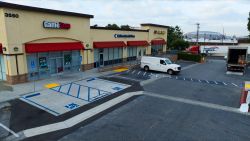
A Certified Access Specialist (CASp) inspection evaluates the entire accessible route and identifies deficiencies before construction begins. Proactive evaluation reduces the risk of lawsuits, change orders, and project delays.
ACR Design & Build provides CASp inspections, ADA consulting, and full construction remediation services throughout California.

What is considered a path of travel?
It is the accessible route connecting parking, entrances, and primary service areas inside a building.
When must path of travel upgrades be made?
Upgrades are required when alterations affect a primary function area.
What is the 20% rule in California?
Up to 20% of project valuation may be required to address path of travel accessibility improvements.
Does federal ADA require path upgrades during remodels?
Yes. Federal ADA requires accessibility improvements when alterations impact usability.
Who should evaluate path of travel compliance?
A Certified Access Specialist (CASp) should inspect and document compliance to reduce legal exposure.

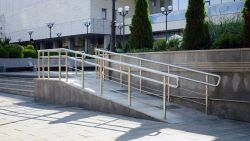
ADA handicap ramp violations are one of the most common accessibility failures in California. Learn slope, width, landing, and Title 24 requirements to avoid lawsuits and failed inspections....

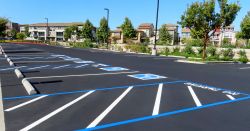
Understand ADA accessible parking requirements—striping, signage, and path of travel—for safe, compliant spaces with ACR Design & Build expertise......

Ignoring accessibility compliance exposes businesses to fines, lawsuits, project delays, and expensive rework. Small issues can have big consequences......